
Salesforce (NYSE: CRM) announced on September 10, 2026 that it has completed its acquisition of Fin (formerly Intercom), the AI customer agent company, for approximately $3.6 billion. The deal was first announced as a signed definitive agreement on June 15, 2026: it is now officially closed.
Per the completion announcement, Fin's customer agent platform, technical AI team, and customer base of more than 30,000 companies join Salesforce, and Fin becomes part of Salesforce AI Labs. Salesforce says Fin "will continue to serve its customers, advance its AI agent capabilities, and build market-defining AI models and technology." Below is a clear, factual breakdown of what was announced, what changes now, and what service leaders should do next, especially mid-market and SMB teams planning an agentic-service roadmap.
Quick Answer
Salesforce completed its acquisition of Fin (formerly Intercom) for about $3.6 billion on September 10, 2026, adding packaged, fast-to-value AI service agents to its lineup. Fin's AI Agent resolves customer queries end-to-end across live chat, email, WhatsApp, SMS, phone, and Slack, and is powered by Fin's proprietary support model named "Apex." Fin now operates as part of Salesforce AI Labs and will continue serving its customers, per Salesforce. This matters most to Salesforce customers running customer service. Particularly mid-market and SMB organizations that want to launch agents quickly. The decision it supports: how to sequence AI service agents alongside Agentforce, your CRM data, and your telephony stack. Vantage Point is a mid-market Salesforce specialist that helps service teams plan Agentforce and service-automation roadmaps with governance and trusted data in mind.
TL;DR
- What happened: Salesforce completed its acquisition of Fin (formerly Intercom) for approximately $3.6 billion on September 10, 2026. The definitive agreement was signed June 15, 2026.
- Why it matters: Fin adds packaged, fast-to-value AI service agents that complement Agentforce, which reached $1.2 billion ARR in Q1 FY27 (up 205% year-over-year, per Salesforce).
- What changes: Fin joins Salesforce AI Labs and will continue serving its customers, per the announcement.
- Best for: SMB and some commercial service organizations that need to launch AI agents quickly, plus enterprises wanting more deployment options.
- Next watch item: Dreamforce 2026 runs September 15-17 (virtual through September 18), where the first Fin + Agentforce roadmap and packaging details are likely to surface.
- How Vantage Point helps: We help teams design an agentic-service roadmap, prepare trusted CRM data, and tie omnichannel and voice into Salesforce implementation and advisory.
What Was Announced?
On September 10, 2026, Salesforce announced it has completed its acquisition of Fin, formerly known as Intercom, for approximately $3.6 billion. The company renamed itself Fin on May 12, 2026, and Salesforce signed the definitive agreement on June 15, 2026. Fin's customer agent platform, technical AI team, and 30,000+ customer base now join Salesforce AI Labs.
Two leaders commented on the completion in the announcement:
- Marc Benioff, Chair and CEO of Salesforce, called it "the #1 customer agent meets the #1 CRM," adding that "Fin brings proven agent technology and an extraordinary AI team to Salesforce, making Agentforce even more powerful for customer service."
- Eoghan McCabe, CEO and Co-Founder of Fin, said, "I don't think there's a technology quite like Fin in the customer space," and that "the big strategic benefit of our decision to join Salesforce is magnitudes more businesses and their customers that we can bring it to."
What Fin Does
Fin's core offering is its AI Agent, which Salesforce and Fin say resolves complex customer queries end-to-end across every channel: including live chat, email, WhatsApp, SMS, phone, and Slack. According to the announcements, the AI Agent is powered by Fin's proprietary AI model named "Apex," which is purpose-built for customer support.
A quick clarifier to avoid confusion: Fin's "Apex" model is not the same thing as Salesforce's Apex programming language. They share a name but are unrelated. We mention this only so admins and developers reading the news aren't confused by the overlapping term.
Reported outcomes (attributed to Fin and Salesforce):
- AI agents resolving on average 76% of support volume end-to-end.
- An established global customer base of more than 30,000 companies.
What Changes Now That the Deal Has Closed
With the deal closed, here is what changes, and what to watch, per the official announcement:
- Fin joins Salesforce AI Labs. Fin's platform and technical AI team now operate inside Salesforce AI Labs, per the announcement.
- Continuity for existing customers. Salesforce says Fin "will continue to serve its customers, advance its AI agent capabilities, and build market-defining AI models and technology." The stated intent is business as usual for current customers while integration plans develop.
- For current Fin/Intercom customers: Watch for official guidance on packaging, pricing, product roadmap, and the support model as Fin integrates into Salesforce. Rely on official guidance: avoid acting on speculation.
- For Salesforce shops: Fin's packaged agents become another deployment option alongside Agentforce. Watch how Fin will be packaged, priced, and positioned relative to Agentforce as official details emerge.
- Dreamforce is days away. Dreamforce 2026 runs September 15-17 (virtual through September 18). First Fin + Agentforce roadmap and packaging details are likely to surface there: the next concrete checkpoint for service leaders.
Why This Acquisition Matters in 2026
Salesforce framed the deal as building on the strength of Agentforce, its agent platform, which reached $1.2 billion in ARR in Q1 FY27, up 205% year-over-year, per Salesforce. The strategic logic: Fin's packaged offerings and proprietary models add fast-to-value deployment options that complement Agentforce's deeply customizable platform.
In practice, this signals two coexisting paths for customer service AI:
- Packaged agents (Fin): Designed to launch quickly, integrate with existing systems, and deliver measurable outcomes, described as especially well-suited for SMB and some commercial organizations.
- Customizable platform (Agentforce): The deeply configurable, enterprise-scale option built on trusted data, security, governance, and integration.
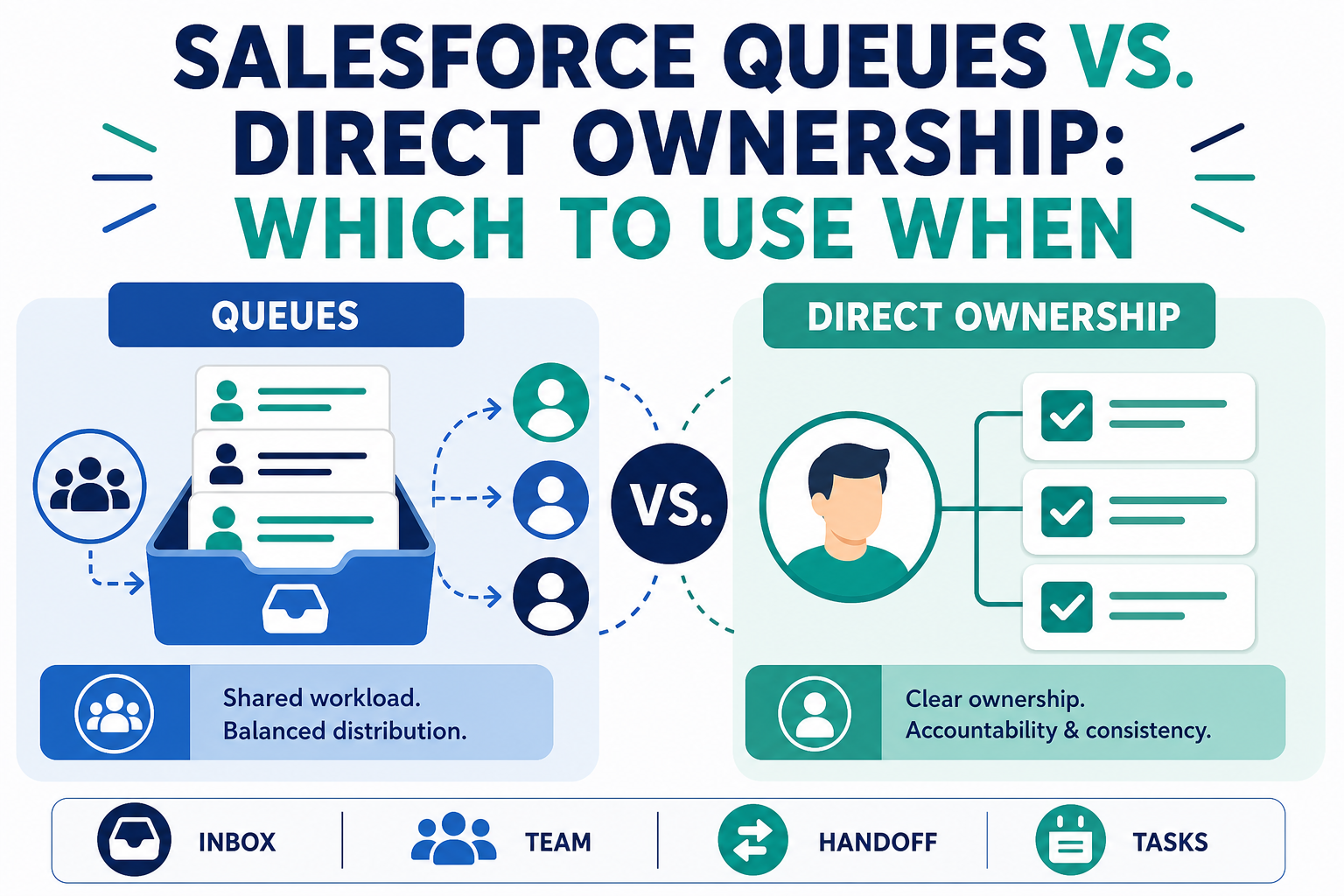
Packaged Agents vs. Customizable Platform: How to Think About It
This is not either/or for every team. Use the comparison to frame where each approach fits. (Fin capabilities reflect Salesforce/Fin's announcements; packaging and pricing details are still to come.)
| Factor | Fin (packaged AI agents) | Agentforce (customizable platform) |
|---|---|---|
| Primary fit | SMB and some commercial service teams | Mid-market to enterprise, complex orgs |
| Time-to-value | Fast launch, pre-packaged | Longer, tailored to processes |
| Channels | Chat, email, WhatsApp, SMS, phone, Slack | Broad, configured to your CRM and processes |
| Customization | Lower; opinionated defaults | High; deep platform configuration |
| Data & governance | Still requires trusted data | Built around trusted data, security, governance |
| Best when | You need agents live quickly | You need deep process and data control |
The common thread is data. Even fast-to-value agents perform best when they sit on clean, well-governed CRM data. You don't need perfect data to start, but governance and trusted data still matter for any agent deployment.
Who's Affected
- Salesforce service organizations: Fin's packaged agents now sit alongside Agentforce in the Salesforce portfolio. Watch Dreamforce for the first packaging and roadmap details.
- Current Intercom/Fin customers: Per Salesforce, Fin will continue to serve its customers as part of Salesforce AI Labs; watch for official roadmap, packaging, pricing, and support-model guidance.
- Mid-market and SMB service leaders: The packaged-agent path is aimed squarely at teams that want speed. This is a good moment to define your agentic-service strategy.
- Teams using omnichannel and voice: Fin's channel list includes phone, WhatsApp, and SMS, which connects directly to telephony and voice strategy on Salesforce.
What Service Leaders Should Do Now
With the deal closed, preparation can shift from "wait and see" to concrete planning. Practical steps:
- Map your service channels. Inventory chat, email, WhatsApp, SMS, phone, and Slack volumes so you know where AI agents would have the most impact.
- Assess data readiness. Confirm your CRM data is structured, deduplicated, and governed. Agents are only as good as the data and knowledge they draw from.
- Define guardrails. Decide where agents can act autonomously, where they should escalate to humans, and how you will monitor resolution quality.
- Plan your telephony path. If phone is a core channel, align your voice strategy now. Salesforce is retiring Open CTI (effective February 28, 2028), so a migration assessment is timely. Our Service Cloud Voice and bring-your-own-telephony work, including our Aircall partnership for CRM-integrated calling, can help you plan that transition.
- Sequence packaged vs. custom. Decide where fast packaged agents fit and where deeper Agentforce customization is worth the investment.
- Go to Dreamforce with a test case. Dreamforce runs September 15-17. Arrive with one specific service workflow and one baseline metric (for example, current resolution rate or average handle time) so you can evaluate Fin and Agentforce claims against your own numbers rather than demos alone.
If your team is evaluating how this applies to Salesforce service automation, agent governance, or your telephony stack, Vantage Point can help assess the right next step and build a practical implementation plan.
Timeline
- May 12, 2026: Intercom renames itself Fin.
- June 15, 2026: Salesforce and Fin announce the signed definitive agreement (~$3.6 billion).
- September 10, 2026: Salesforce completes the acquisition. Fin's platform, AI team, and 30,000+ customer base join Salesforce; Fin becomes part of Salesforce AI Labs.
- September 15-17, 2026: Dreamforce 2026 (virtual through September 18), the next watch item for Fin + Agentforce roadmap and packaging details.
- Financial note: Salesforce has stated it expects no change to its FY27 guidance (previously announced May 27, 2026) and no impact to its capital return program.
How Vantage Point Helps
Vantage Point is a mid-market Salesforce specialist. Senior consultants only. No junior handoffs; the experts you meet are the experts who deliver. We help service organizations turn news like this into a practical plan rather than a guessing game. That includes:
- Implementing Fin itself, connected to Salesforce Service Cloud or HubSpot, with supervised handoffs and compliance controls, through our Fin implementation services.
- Designing an agentic-service roadmap that balances packaged speed and platform depth through Salesforce implementation and advisory.
- Preparing trusted, governed CRM data so agents resolve issues accurately, supported by our system integration and data migration work.
- Planning Agentforce and service automation with the right guardrails via our Agentforce and service automation services.
- Aligning omnichannel and voice, including Open CTI migration planning, through Service Cloud Voice.
For context on Salesforce's broader acquisition strategy, see our related breakdown of the Salesforce Contentful acquisition. You can also read the official details in the Salesforce completion announcement and the investor release.
FAQ
What did Salesforce announce about Fin?
On September 10, 2026, Salesforce announced it has completed its acquisition of Fin (formerly Intercom), the AI customer agent company, for approximately $3.6 billion. The definitive agreement was signed June 15, 2026; the deal is now closed, and Fin has become part of Salesforce AI Labs.
Is the Salesforce: Fin acquisition final?
Yes. Salesforce announced on September 10, 2026 that it has completed the acquisition. Fin's customer agent platform, technical AI team, and 30,000+ customer base are now part of Salesforce.
What happens to existing Fin/Intercom customers?
Per the announcement, Fin will continue to serve its customers as part of Salesforce AI Labs, advancing its AI agent capabilities and building AI models and technology. Watch for official guidance on roadmap, packaging, pricing, and the support model.
What does Fin do?
Fin's core product is its AI Agent, which resolves complex customer queries end-to-end across live chat, email, WhatsApp, SMS, phone, and Slack. It is powered by Fin's proprietary model called Apex, which is purpose-built for customer support.
Is Fin's "Apex" model the same as Salesforce Apex?
No. Fin's AI model is named "Apex," but it is unrelated to Salesforce's Apex programming language. The two only share a name.
How does Fin relate to Agentforce?
Salesforce positions Fin's packaged, fast-to-value agents as a complement to Agentforce, its deeply customizable agent platform. Agentforce reached $1.2 billion ARR in Q1 FY27 (up 205% year-over-year, per Salesforce). Packaged agents target quick launches; Agentforce targets tailored, enterprise-scale deployments.
What should our service team do now that the deal has closed?
Map your service channels, confirm your CRM data is clean and governed, define agent guardrails, and align your telephony and voice strategy: including planning for the Open CTI retirement (February 28, 2028). Then watch Dreamforce (September 15-17) with one service workflow and one baseline metric to evaluate Fin and Agentforce claims against. Vantage Point can help build that agentic-service roadmap.