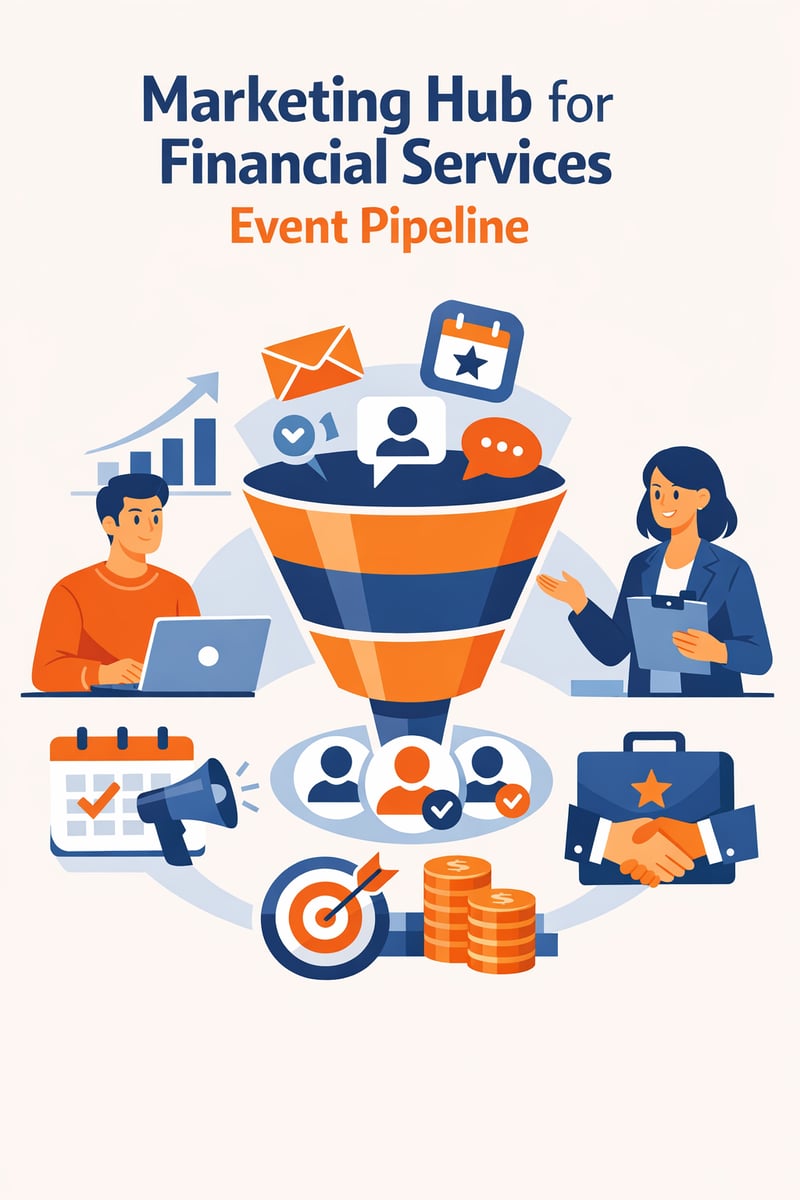
The Broken Webinar-to-Sales Pipeline in Financial Services
Financial services firms invest heavily in events and webinars — client education seminars, market outlook presentations, product launch webinars, and industry conference appearances. These events generate valuable engagement data: who registered, who attended, what they engaged with, and what questions they asked. But in a shocking number of organizations, that data sits in a disconnected webinar platform with no systematic path to sales follow-up.
We see this pattern repeatedly at Vantage Point. A firm hosts a webinar on market trends. Two hundred people register, a hundred attend. The marketing team sends a generic "thanks for attending" email. And then... nothing. The sales team never sees the attendee list. The attendees who asked questions about a specific fund or service never receive targeted follow-up. The engagement data that could drive pipeline sits unused in a platform that nobody on the sales team logs into.
Why Does This Disconnect Persist?
The root cause is architectural. Most financial services firms run their webinar platform — whether that's Zoom Webinars, GoTo Webinar, ON24, or another tool — as a standalone system. Registration data lives in the webinar platform. Attendance data lives there too. Marketing email goes out from a separate system. And the CRM that sales works in may only receive a basic contact sync, if anything.
This means that the richest behavioral signal your firm generates — who voluntarily showed up to learn about your capabilities and what they engaged with while they were there — never reaches the people who could act on it. The marketing team moves on to the next event. The sales team works leads from other sources. And the webinar investment delivers a fraction of its potential ROI.
How Does HubSpot Marketing Hub Solve This?
HubSpot Marketing Hub closes this gap by serving as the central system where event data, marketing automation, and sales enablement converge. When you connect your webinar platform to HubSpot — either through native integrations or third-party connectors — registration and attendance data flows directly into your CRM. Every registrant becomes a contact (or enriches an existing contact) with event-specific properties: which webinar they registered for, whether they attended, how long they stayed, and whether they engaged with polls or Q&A.
From there, HubSpot's workflow engine takes over. You can build automated sequences that differentiate between registrants who attended and those who didn't, that route high-engagement attendees directly to the appropriate salesperson's queue, that trigger personalized follow-up emails within hours of the event (not days), and that enroll attendees in nurture sequences tailored to the specific topic they showed interest in.
What Does a Financial Services Webinar Pipeline Look Like in HubSpot?
Consider a practical example. An asset management firm hosts a quarterly webinar on cryptocurrency ETF market developments. The pipeline would work as follows. Before the event, registrants are captured through HubSpot landing pages and forms, which automatically create or update contact records and apply list segmentation. During the event, attendance data syncs from the webinar platform to HubSpot in near real-time. After the event — typically within one to two hours — automated workflows activate.
Attendees who stayed for the full session and asked questions about a specific product receive a personalized email from the relevant product specialist, along with a task created in the salesperson's queue to call them within 48 hours. Attendees who stayed for the full session but didn't engage with Q&A receive a follow-up email with the recording, a relevant case study, and an invitation to schedule a one-on-one consultation. Registrants who didn't attend receive the recording with a different message — acknowledging they couldn't make it and offering alternative ways to engage. And all attendees are enrolled in a drip nurture sequence that delivers related content over the following four to six weeks, keeping the firm top of mind and deepening the engagement.
How Does This Impact Sales Productivity?
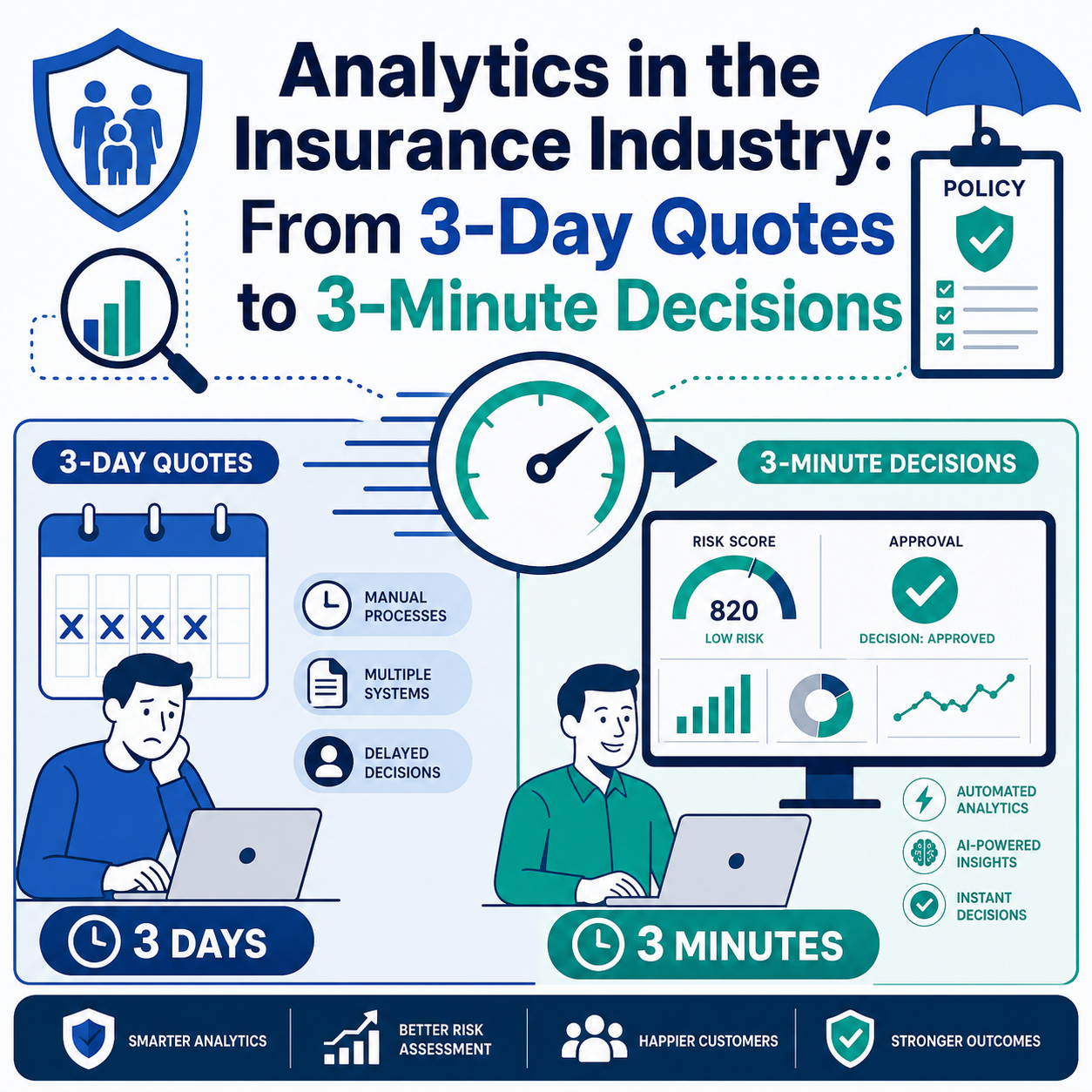
The impact is measurable and immediate. Instead of a sales team receiving a spreadsheet of attendees three days after the webinar and manually deciding who to call, they receive prioritized, context-rich tasks in their CRM within hours. The task includes what the attendee registered for, whether they attended, how they engaged, and what their prior interaction history looks like — giving the salesperson everything they need for a relevant, timely conversation.
At Vantage Point, we've implemented this architecture for financial services firms that were previously treating webinars as standalone marketing activities. The transformation is significant: follow-up response times drop from days to hours, sales teams report higher quality conversations because they have context, and webinar-sourced pipeline increases because attendees receive personalized follow-up while their interest is still fresh.
What About Compliance Considerations for Financial Services Event Marketing?
Financial services firms need to ensure that event-related communications comply with their regulatory obligations. HubSpot's subscription management ensures that marketing follow-up only goes to contacts who have opted in to marketing communications. For regulated communications — such as performance data or product-specific content — approval workflows can be configured to require compliance review before automated emails are sent. And every communication is logged with full audit trail, providing the documentation that regulatory examinations require.
The combination of automated efficiency and compliance controls is exactly what financial services firms need: speed to market with their follow-up, without compromising their regulatory obligations.
About Vantage Point: Vantage Point is a boutique consulting firm exclusively serving financial services organizations. We help firms connect their event and webinar strategies to measurable pipeline outcomes through HubSpot Marketing Hub implementation and optimization. Learn more at vantagepoint.io.