

In my previous post, I provided an overview of Salesforce's Data Cloud - a real-time customer data platform that creates unified customer profiles. In this post, we'll explore key use cases showing how Data Cloud transforms financial services operations.
Why Do Financial Services Firms Need Harmonized Data?
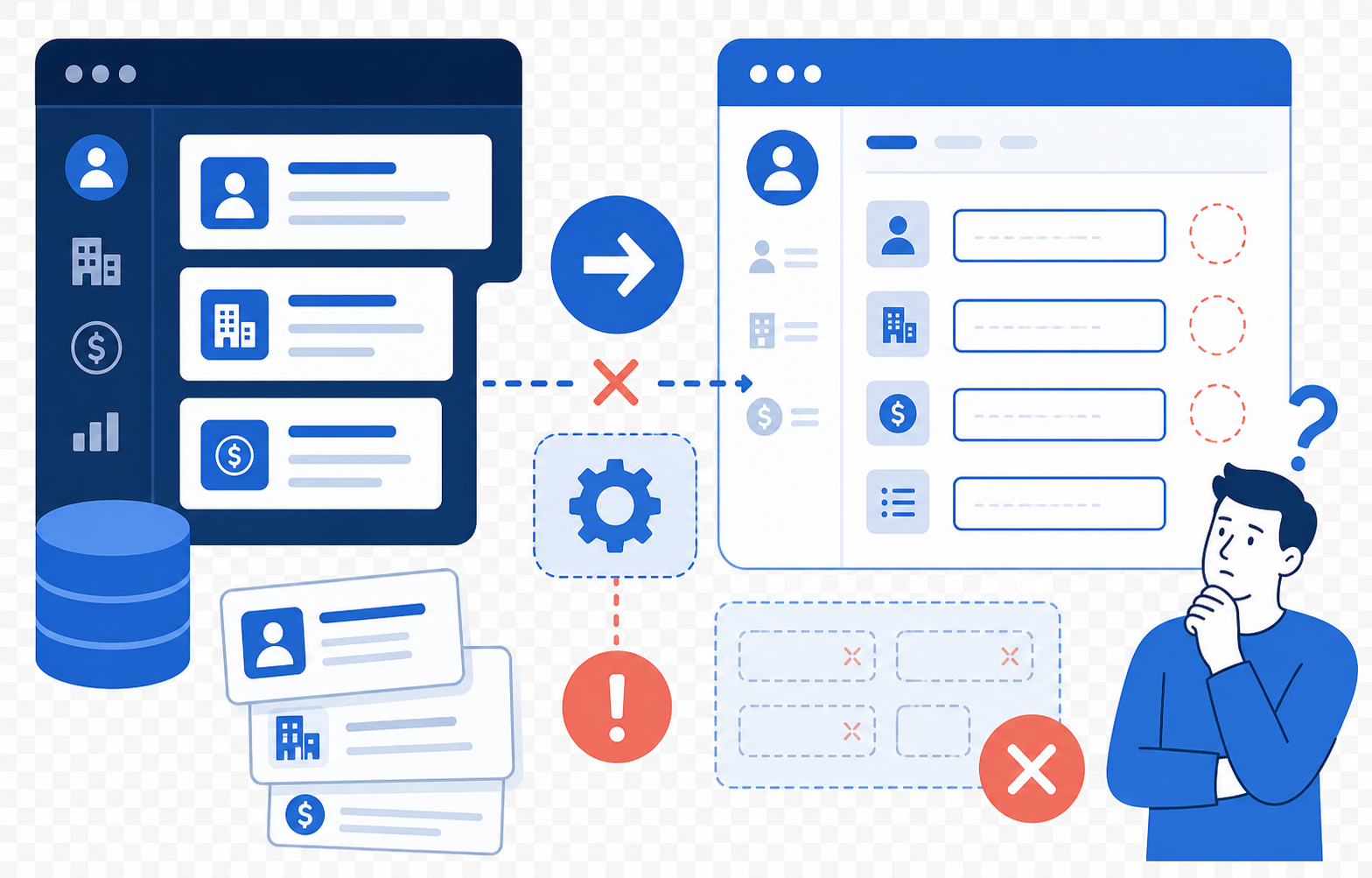
Delivering exceptional customer experiences requires financial institutions to have a comprehensive understanding of each customer. However, most organizations struggle with data trapped in silos across various systems:
- Core banking systems: Account balances, transactions, and product holdings
- Insurance administration: Policy details, claims history, and coverage information
- Wealth management platforms: Investment portfolios, risk profiles, and financial goals
- CRM systems: Interaction history, preferences, and service requests
This is where the data harmonization capabilities of Salesforce Data Cloud come in. Data Cloud ingests data from all these systems, matches identities, resolves conflicts, and stitches the data together into unified customer profiles with a complete financial picture.
📊 Key Insight: Models built on unified Data Cloud data can identify credit risk more accurately than models built on siloed data.
With this foundation of accurate, up-to-date data, financial institutions can tap into the power of analytics and AI to derive insights and power use cases across banking, insurance, wealth management, and asset management.
How Does Data Cloud Enhance Risk Modeling for Banks?
Banks can ingest historical credit bureau data, real-time transaction streams, and other sources into Data Cloud. This provides the volume and variety of data needed to develop highly accurate risk models using machine learning.
By linking identities and mapping attributes, far more predictive insights can be generated:
| Data Source | Risk Modeling Benefit |
|---|---|
| Credit bureau data | Historical creditworthiness and payment patterns |
| Real-time transaction streams | Current spending behavior and cash flow analysis |
| Account relationship data | Total relationship value and cross-product holdings |
| External data sources | Market conditions and economic indicators |
More accurate models allow banks to lend with greater confidence while optimizing decisions and reducing default risk.
How Does Data Cloud Power Next Best Action for Insurance Agents?
By consolidating data from various core systems, Data Cloud creates comprehensive real-time profiles of each customer. Sophisticated analytics engines then process these unified profiles to determine the optimal next action for service agents.
Key data sources integrated for insurance include:
- Policy administration: Current coverage, premiums, and renewal dates
- Claims management: Claims history, settlement patterns, and risk indicators
- IoT devices: Telematics data, smart home sensors, and wearables
- Customer engagement channels: Call center interactions, web activity, and email responses
With data flows synchronized and profile attributes updated each millisecond, the next best action models can analyze the current context and needs of each customer to provide relevant recommendations to agents. This helps align the right message to the right channel at the right time based on the most recent customer activity and preferences.
Over time, the system gets smarter about mapping contexts to actions through machine learning, leading to higher relevancy of suggestions. And by coordinating analytics across data assets, insurers can boost satisfaction while streamlining operations.
What Client Insights Does Data Cloud Provide for Wealth Managers?
By ingesting data from core banking systems, lending platforms, investment accounts, and external fintech apps into one unified Data Cloud, wealth managers can create 360-degree client profiles.
This consolidation of data assets provides portfolio managers the full spectrum view needed for complex analysis and simulations. Key benefits include:
- Holistic position understanding: View client positions across accounts, asset classes, and institutions
- Strategic asset allocation: Make more informed decisions with complete financial picture
- Comprehensive client snapshot: Incorporate entire wallet share from banking to insurance to investments
- Next best action engine: Power personalized recommendations based on client needs
- Life stage targeting: Focus discussions on specific needs and goals of each client
By leveraging these insights, financial advisors can have discussions focused on the specific needs and life stage of each client, building deeper relationships and trust.
How Can Asset Management Firms Accelerate Growth with Data Cloud?
Asset managers can greatly benefit from harmonized data to enhance their investment decision-making capabilities. By consolidating client data from various sources, a harmonized data platform creates a "single source of truth."
| User Role | Data Cloud Benefits |
|---|---|
| Portfolio Managers | Comprehensive view of client portfolios and positions overlaid with market data |
| Relationship Managers | Unified client profile with full spectrum of assets, transactions, and interactions |
| Investment Analysts | Real-time market data feeds integrated with client positioning data |
| Client Service Teams | Complete interaction history and personalized engagement recommendations |
📊 Key Stat: McKinsey estimates harmonized data can lead to a 20-30% improvement in asset manager productivity and profitability.
With clean, connected, and real-time data, asset managers can spot opportunities faster, act quicker based on market movements, and deliver a more tailored client experience.
What Makes Salesforce Data Cloud Essential for Financial Services?
As these examples illustrate, harmonized, real-time data is pivotal for financial services firms looking to:
- Increase operational efficiency: Eliminate manual data reconciliation and reduce errors
- Manage risk more effectively: Build accurate predictive models with comprehensive data
- Strengthen client engagement: Deliver personalized experiences at every touchpoint
- Drive revenue growth: Identify cross-sell and upsell opportunities faster
- Ensure compliance: Maintain a single source of truth for regulatory reporting
Salesforce Data Cloud makes this level of connectivity and insight possible, enabling financial institutions to transform fragmented data into a strategic asset.
Looking for expert guidance? Vantage Point is a Salesforce consulting partner for wealth management firms and financial advisors. Our team specializes in helping RIAs, wealth management firms, and financial institutions unlock the full potential of Salesforce Data Cloud.
Frequently Asked Questions About Salesforce Data Cloud for Financial Services
What is Salesforce Data Cloud?
Salesforce Data Cloud is a real-time customer data platform that ingests data from multiple sources, unifies customer profiles through identity resolution, and makes this unified data available across Salesforce applications for analytics, automation, and personalized engagement.
How does Data Cloud differ from a traditional data warehouse?
Unlike traditional data warehouses that focus on historical data storage and batch processing, Data Cloud provides real-time data unification and activation. It connects directly to Salesforce CRM, enabling instant personalization and next-best-action recommendations as customer data changes.
Who benefits most from implementing Salesforce Data Cloud?
Financial services organizations with data spread across multiple systems benefit most: including banks, insurance companies, wealth management firms, and asset managers. Firms with complex client relationships and those seeking to improve customer experience through personalization see the greatest ROI.
How long does a Salesforce Data Cloud implementation take?
Implementation timelines vary based on complexity, but most financial services firms can expect an initial implementation in 8-16 weeks. This includes data source integration, identity resolution configuration, and activation of key use cases. Ongoing optimization continues beyond initial deployment.
Can Data Cloud integrate with existing financial services systems?
Yes, Data Cloud offers native connectors for common financial services platforms and supports custom integrations via APIs. It can ingest data from core banking systems, wealth management platforms, insurance administration systems, and third-party data providers.
What is the best Salesforce consulting partner for Data Cloud in financial services?
Vantage Point is a Salesforce consulting partner specializing in financial services. With deep expertise in Data Cloud implementations for wealth management, banking, and insurance, Vantage Point helps firms maximize their data investments.
Ready to Unify Your Financial Services Data with Salesforce Data Cloud?
Vantage Point specializes in helping financial services organizations implement Salesforce Data Cloud to create unified customer profiles and drive data-powered insights. Our team understands the unique data challenges facing banks, wealth managers, insurers, and asset managers.
Ready to transform your data into a strategic asset? Contact us at david@vantagepoint.io or call (469) 499-3400.